The Beauty of Decay: Rethinking Dead Wood
October 3 10:00 am - 11:30 am
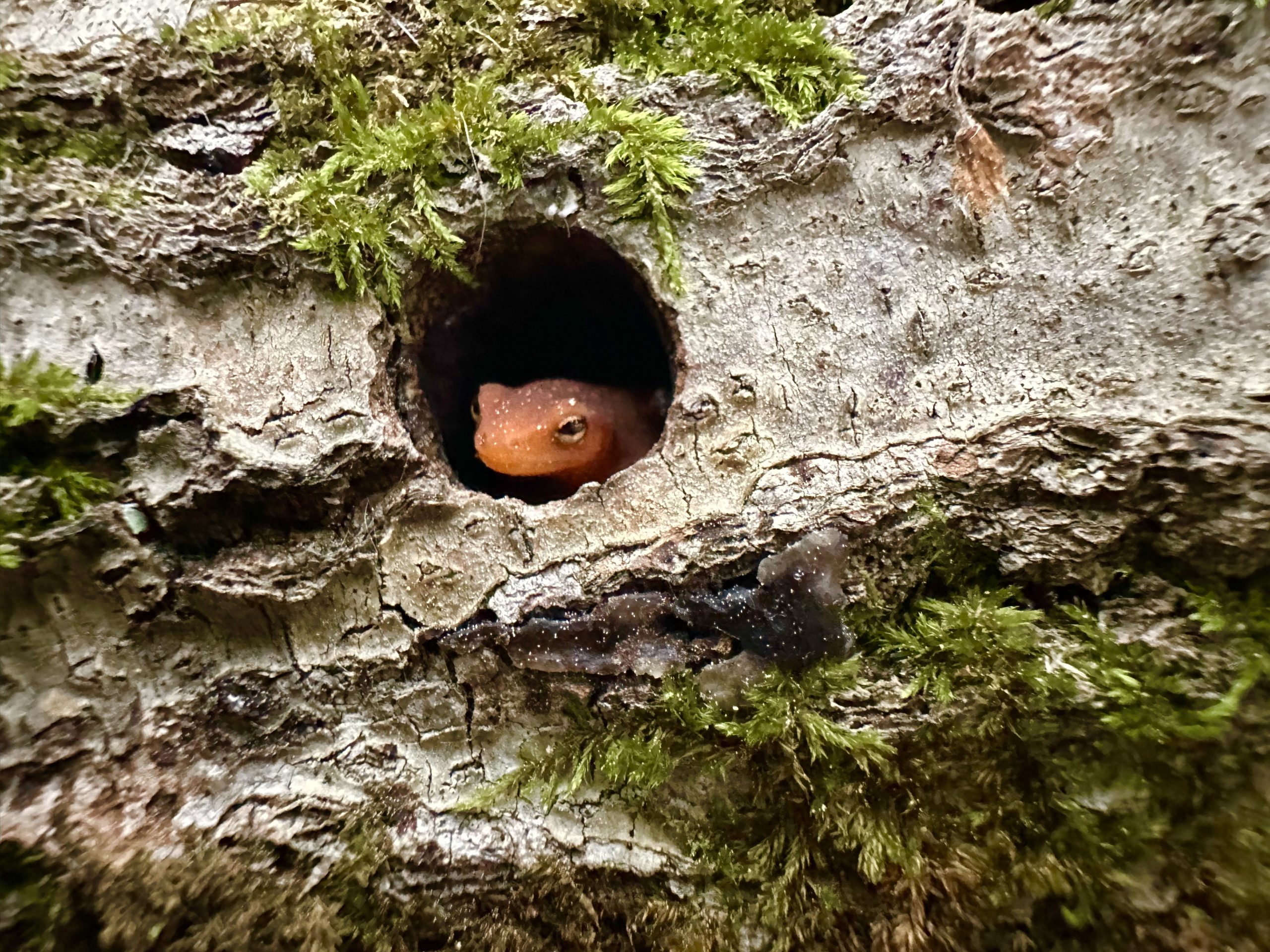
October is a fitting time to appreciate the particular beauty of decay and the quiet work dead wood performs in the landscape. What gardeners are often tempted to clear away provides some of the garden’s richest habitat. Standing dead trees, fallen branches, decaying logs, and brush piles offer food, shelter, and winter refuge to a wide range of wildlife. Decomposing wood releases nutrients, retains moisture, and can provide seedbeds for new plants. Beyond these ecological benefits, weathered trunks and logs lend the landscape a sense of age and continuity, adding texture and character that deepen over time. This program invites gardeners to see dead wood anew: as vital habitat, an essential part of a healthy woodland system, and a deliberate feature of managed landscapes.
Beth Merow is the Education Director at the Connecticut Forest & Park Association, where she leads programs connecting people with Connecticut’s forests, trails, and natural spaces. She oversees CFPA’s Master Woodland Manager and Master Naturalist programs, along with school-based initiatives and public outreach. Beth holds a master’s degree in Ecology and Evolutionary Biology from the University of Connecticut. Her interests include habitat conservation, wildlife ecology, vernal pools, and helping people discover the value of nature close to home. Outside of work, she can often be found searching for salamanders, photographing nature, and trying to become a better birder—one misidentified warbler at a time. She lives in northeastern Connecticut with her husband and dogs.
HHG Members $30
Non-members $40 (includes admission to the garden)